The author reports using AI coding to build the peptide tracking app Enhanced, earning $55.65 last week, and proposes sharing app ownership equally with creators.
I have less than $500 a month to spend building our first consumer app. I want to find out if that's enough to take a consumer app from zero to $1M MRR in under a year. Building a consumer app is easy now. Building a good one got harder. That's the whole reason I'm starting this account. My name is Dani, I'm 23, and I'm building PopApps out of Bogotá, Colombia. It's a venture studio for consumer iOS apps, which sounds a lot more impressive than it currently is. Until May I was working as a content creator for PeptidePal, one of the bigger peptide apps out there. I left because I wasn't enjoying it. But I got to watch that market from the inside and I couldn't stop thinking about how fast it was growing, in the US and here in South America. So I built my own. It's called Enhanced. Link at the bottom. The timeline, exactly: left PeptidePal end of May. Started building Enhanced on June 1st. Apple approved it on August 29th. Three months to build, about two weeks live. Those two weeks have been me trying to work out how you actually get anyone to download the thing. That's the part nobody teaches you. I'm building it with Diego, a friend from university who actually uses peptides. He tells me what a real user wants, because he is one and I'm not. He's changed the product more times than I can count. Here's the honest part. This first version isn't good. The design isn't there. It's barely a product. I'm posting it anyway, because it's the first app I've ever built and three months of my life went into it. I'd rather show you the rough version than wait until I have something
Uses Higgsfield for Airbnb photo and walkthrough packages, pitching free samples before a paid bundle; a second offer finds businesses in Meta’s Ad Library and proposes 12 ads for $2,000 monthly.
A Claude skill produces science and mystery Shorts with scripts, visuals, narration and captions; Zapier uploads them to YouTube, connecting production with channel monetization.
Uses Claude Code for animation, editing and motion graphics in a new YouTube channel, reviewing the creator’s 14-day experiment from publishing to monetization.
Use a revenue agent to review old proposals, emails and customer activity for follow-up opportunities, with humans closing deals; Morgan also sells training and setup services around her agent methods.
Compares AI files, PDFs, shopping Shorts, SaaS and website work, emphasizing how templates, custom development and workflow services become products or client orders.
Creates vertical dramas with Kling 4.0, planning keyframes and consistent characters through references, then calculates episode costs to assess commercial production.
Finds brands, makes an AI UGC sample for a product and uses outreach to sell finished ads; the creator proposes up to $500 per ad and uses Zapier for email replies.
Presents lead-response agents, AI copywriting and ecommerce stores as starting options tied to customer acquisition, marketing deliverables and product sales.
Targets seasonal audiences such as Christmas-music listeners, creates original AI music and YouTube videos, and builds a consistent channel toward Partner Program income.
Uses Claude to analyze competitors’ Meta ads and Higgsfield to create brand visuals, pitches with Loom over LinkedIn and proposes a $2,000 monthly creative retainer.
Uses ChatGPT business-idea and outbound-list skills to define a one-person offer and identify prospects, turning after-work time into customer acquisition and service setup.
Creates ebooks and iPad planners with Claude, sells through Gumroad and Topmate to Indian and US buyers, and tests Instagram, Pinterest and Meta ads for acquisition.
Finds designers, clinics and other businesses through Google Maps and Instagram, researches them with Claude, builds sites with Hostinger and pitches the finished websites.
Explores AI video production as a YouTube-channel business and provides topic-finding and finished-video resources, connecting niche research with publishing.
Uses Claude Code with a Higgsfield connector to accelerate video production, reducing repetitive editing for small YouTube creators so they can focus on content and channel growth.
Uses Claude and Higgsfield to analyze reference shots and make brand samples, then emails agencies and production studios with a portfolio; the creator reports a $2,000 production order.
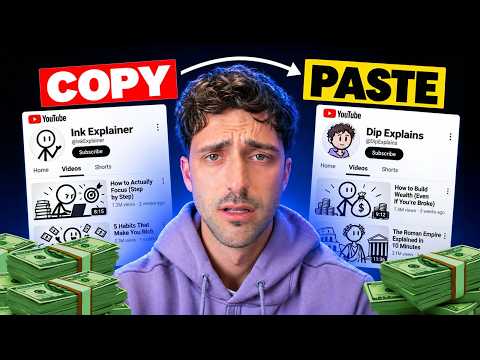
Uses ChatGPT Astra and Higgsfield to produce stick-figure animations at scale, turning scripts into repeatable YouTube output for a channel that needs no on-camera host.